eCoC in Practice: IVI XML, XAdES Signatures and NAP Submission Routes
The IVI XML format
eCoCs are based on the Initial Vehicle Information (IVI) file developed for the EU eCoC system. The IVI 2.0 XML file follows the harmonised EU IVI template, with each EU Member State using its own approval authority code (e.g. e1 for Germany, e2 for France) and country-specific regulatory references where applicable.
IVI files must be in Extensible Markup Language (XML) format, not PDF, not Word, not any other format. XML is used because eCoCs are structured regulatory data that needs to be automatically extracted, validated, and stored by the NAP and other authorities.
The IVI schema: what goes into an eCoC
The IVI 2.0 schema contains hundreds of technical data fields covering:
Vehicle identity
VIN, type approval number, approval authority code, variant and version, manufacturer details
Technical data
Masses, dimensions, axle configurations, engine specifications, emissions class, fuel type
Compliance data
Component type approvals, regulatory references, stage-specific data for multi-stage builds
XAdES digital signatures
Every eCoC must carry a digital signature to guarantee authenticity and data integrity. The EU follows the same standard as the EU: XAdES (XML Advanced Electronic Signatures), as defined in ETSI EN 319 132 and aligned with the eIDAS Regulation.
The permitted signature types are:
- Advanced Electronic Signatures (AdES), the minimum requirement
- Advanced Electronic Seals (AdESeal), for organisational-level signing
- Qualified variants (QES, QESeal), optional but accepted
XML formatting sensitivity
Once an XML file has been digitally signed, any change to the file, even adding a space or line break, will invalidate the signature. This is a common source of submission failures. Files must be signed as the final step before submission, and no modifications should be made afterwards.
XSD schema validation
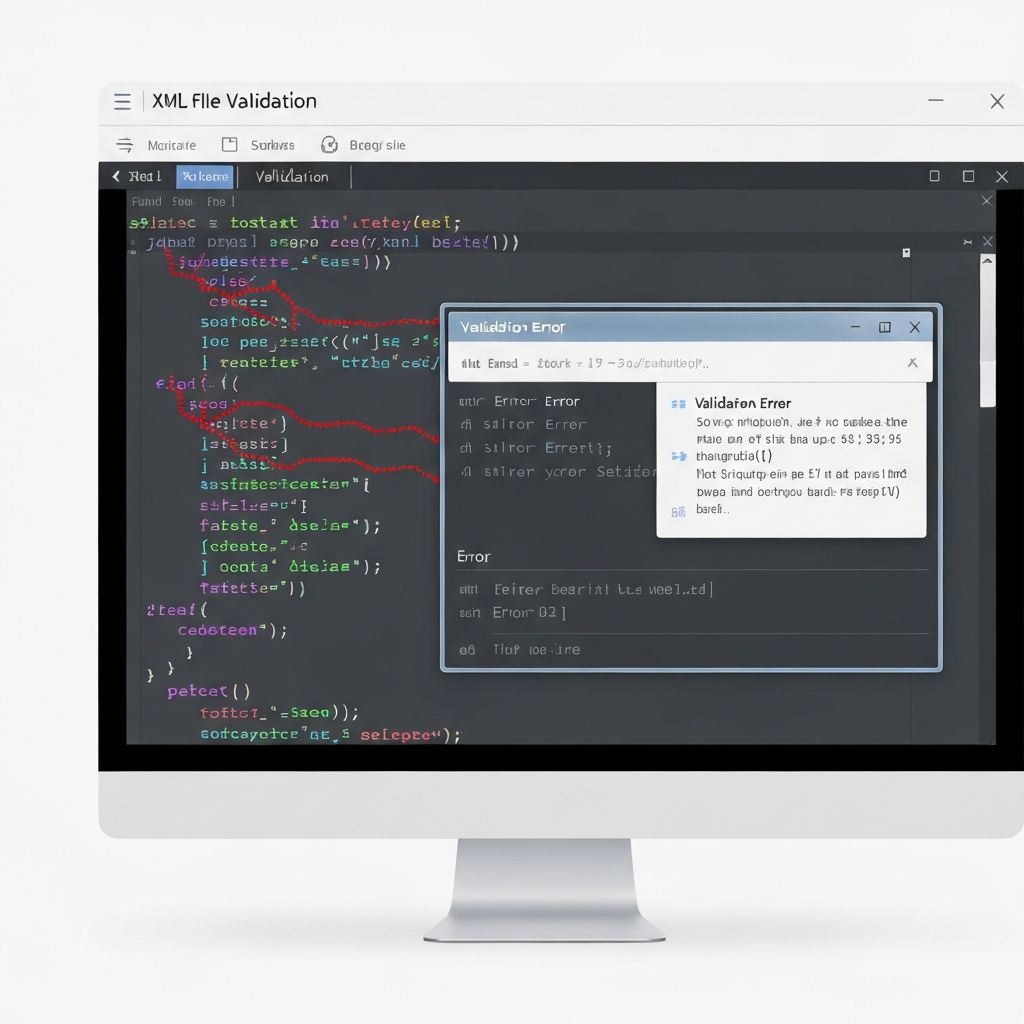
Before submission, IVI XML files are validated against the XSD (XML Schema Definition) to ensure the structure and content are correct. This automated check catches errors such as missing required fields, incorrect data types, and invalid values before the file reaches the NAP.
Pre-submission validation is essential, files that fail the XSD check will be rejected, requiring correction and resubmission.
NAP submission routes
NAP eCoC Portal
A web-based interface for manual upload of IVI XML files. Suitable for manufacturers with lower volumes or those in the early stages of implementation.
API (system-to-system)
Automated transmission via the NAP API. Enables direct integration with production systems, ERP platforms and eCoC management software for high-volume workflows.
COCDesk handles the technical complexity
COCDesk abstracts the technical requirements so your team does not need to build XML generation, XAdES signing, or NAP API integration in-house:
Ready for the EU eCoC rollout?
Book a free demo and see how COCDESK can have your eCoC process production-ready across every EU Member State.